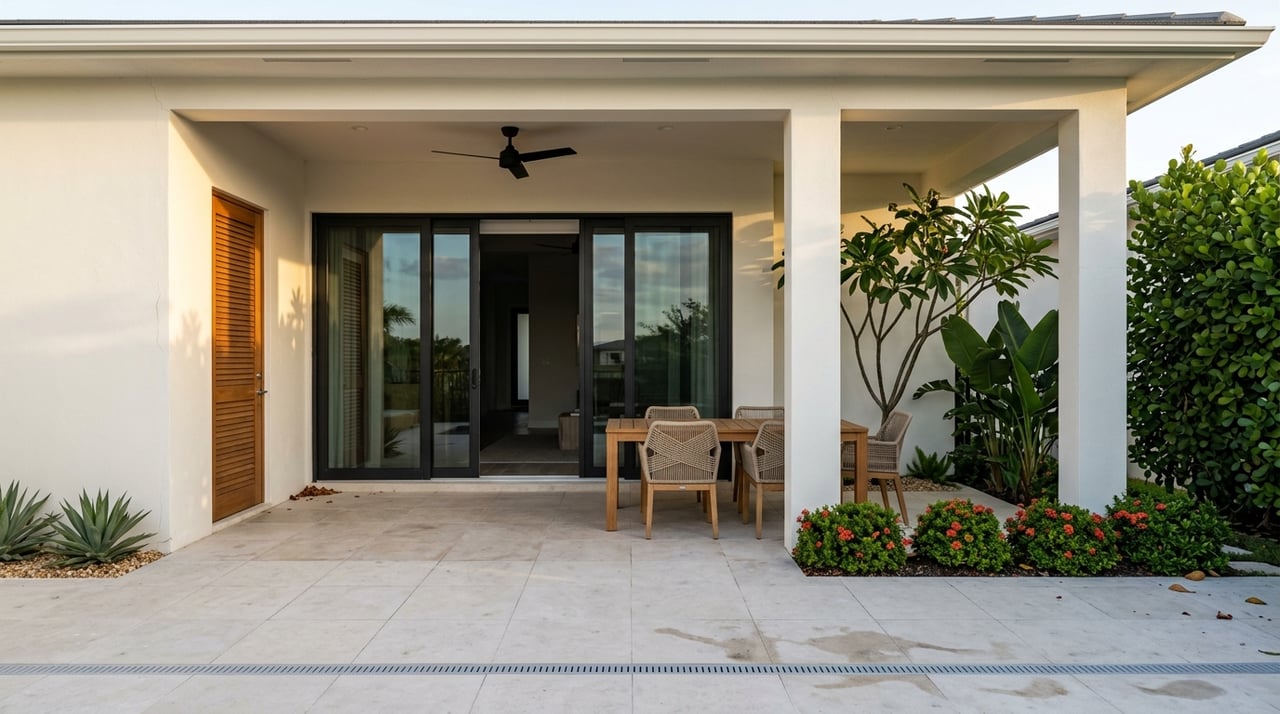
Long-Term Vs. Vacation Rental Strategies On St. Croix
May 28, 2026
May 28, 2026
If you own property in Christiansted, one question can shape your returns, workload, and peace of mind: should you rent it long term or use it as a vacation rental? The right answer depends on more than income goals. It also depends on how your property fits St. Croix’s market, how involved you want to be, and how comfortable you are with seasonal swings and local compliance. Let’s dive in.
Christiansted is not just another residential area on St. Croix. It has a strong visitor appeal tied to the waterfront, the boardwalk, historic landmarks, shopping, dining, nightlife, and access to Buck Island Reef National Monument.
That matters because location often drives rental strategy. A property near the harbor and visitor amenities may naturally line up with short stays, while a home in a more residential setting may be better positioned for year-round housing demand.
At the same time, St. Croix is not only a tourism market. U.S. Census data for the U.S. Virgin Islands shows that 52.2% of occupied units were rented in 2020, which points to a real base of long-term housing demand across the territory.
For many owners, a long-term rental is the simpler path. Instead of preparing for frequent guest arrivals and departures, you usually work within a more traditional landlord-tenant setup with fewer turnovers.
That can mean a more stable operating rhythm. You are generally not resetting the property every few days or weeks, and your calendar is usually less tied to holiday travel patterns or tourism peaks.
This approach often appeals to owners who want more predictable occupancy and fewer day-to-day touchpoints. It can also be a better fit if your property serves the local housing market more naturally than the visitor market.
In the U.S. Virgin Islands, renting out a condo, villa, or house is considered engaging in business. The Department of Licensing and Consumer Affairs says homeowners renting a residential unit must hold the applicable business license.
DLCA also states that the process requires trade-name or corporation registration and a tax-clearance letter before a business license is issued. In other words, even a more traditional long-term rental model still comes with formal local requirements.
A long-term strategy may be the better fit if you want:
For owners who value consistency over peak-season upside, this route can feel more manageable.
Vacation rentals tend to align well with Christiansted’s tourism profile. Visitors are drawn to the town’s waterfront setting, boardwalk, dining, nightlife, shopping, and access to local attractions, which supports the idea of shorter stays in the area.
Tourism trends also matter here. Visit USVI reported that JetBlue’s return to St. Croix would expand airlift and passenger-arrival potential, and official 2025 testimony reported total arrivals of 1,420,851 as of June 2025, along with hotel occupancy at 69.9%.
For owners, that supports the case for visitor-oriented demand. It does not guarantee performance for every property, but it does show that St. Croix remains active as a destination.
One of the biggest differences with a vacation rental is seasonality. Official testimony noted growing arrivals around the Crucian Christmas Festival, and the festival runs from December 26 to January 6.
That creates a clear holiday demand window for St. Croix lodging. If you use a short-term strategy, you may see stronger interest during winter and event-driven periods, but also more variability throughout the year than you would usually expect from a traditional lease.
A vacation rental usually comes with more moving parts. Every turnover can involve cleaning, restocking, inspections, maintenance coordination, and quick responses between guests.
That higher turnover often means more wear on furniture, finishes, and supplies. It also means more scheduling, more vendor calls, and more pressure to keep everything guest-ready.
For some owners, that is worth it. For others, especially off-island owners, the extra coordination can become the deciding factor.
Short-stay rentals are not just a different marketing model. They are also treated more like hospitality businesses in key ways.
The Virgin Islands Legislature approved a bill expanding hotel-room-tax collection efforts to travel organizations offering overnight accommodations in the territory, and official legislative testimony describes the hotel occupancy tax rate as 12.5%. The practical takeaway is simple: vacation rentals come with a more lodging-style compliance environment than long-term residential leasing.
On St. Croix, hurricane season runs from June 1 through November 30. That timing matters whether you rent long term or short term, but the effect is often different depending on your strategy.
With a vacation rental, storm season can create more booking changes, guest communication needs, and schedule disruptions. You may also need faster coordination around storm prep and post-storm recovery if guest stays are on the calendar.
With a long-term rental, the operating pace is usually less tied to reservation turnover. Storm readiness still matters, but the day-to-day guest service burden is often lower.
The best rental model usually comes down to four factors: location, involvement, risk tolerance, and property durability. Each one can push your decision in a different direction.
If your property is near Christiansted’s boardwalk, harbor, or other visitor-focused amenities, it may be better suited to a vacation rental. If it is better positioned for residents or longer-term occupancy patterns, a traditional lease may make more sense.
If you want fewer calls, fewer turnovers, and a steadier routine, long-term leasing may be the better fit. If you are comfortable with guest support, vendor coordination, and more frequent resets, vacation rental ownership may be a good match.
Vacation rentals may align with stronger peak periods, but they also bring more variability. Long-term rentals tend to offer a steadier pattern, even if they do not follow the same high-demand windows tied to tourism and festivals.
Short-term stays can create heavier wear from repeated use and faster turnarounds. If your property is furnished and designed to handle that pace, a vacation rental may be workable. If you want less frequent wear and fewer resets, long-term leasing may be easier on the property.
| Factor | Long-Term Rental | Vacation Rental |
|---|---|---|
| Demand driver | Local housing needs | Visitor and tourism demand |
| Occupancy pattern | Usually steadier | More seasonal |
| Turnover | Lower | Higher |
| Daily management | Typically lighter | Typically more hands-on |
| Compliance feel | Residential leasing plus local licensing | More lodging-style compliance |
| Best fit | Owners seeking consistency | Owners comfortable with complexity |
In Christiansted, the right strategy is rarely one-size-fits-all. A well-located condo near the waterfront may have a very different rental path than a home better suited to year-round residential use.
That is why local perspective matters. You need to weigh tourism alignment, housing demand, licensing, operational workload, and seasonal realities before deciding how to position your property.
If you are buying, selling, or evaluating an income property on St. Croix, Sterling Point Real Estate can help you think through the tradeoffs with clear, local guidance and practical management insight. When you are ready to talk through your options, connect with Sterling Point Real Estate.
Stay up to date on the latest real estate trends.


With strong market knowledge, strategic guidance, and attentive service, we walk beside you every step on your Real Estate journey. As a trusted Virgin Islands brokerage, we bring hands-on support, trusted advice, and a genuine love for island living, delivering an elevated experience built on professionalism, deep care, and lasting relationships.