What to Know About Buying Land on St. Croix
June 4, 2026
June 4, 2026
Dreaming about building on St. Croix? It is easy to picture the view, the breezes, and the home itself, but the smartest place to start is usually the land. If you are buying a parcel in or around Christiansted, your lot can shape your budget, timeline, and even what kind of home makes sense to build. This guide will help you think through the key steps before you buy, so you can move forward with more clarity and fewer surprises. Let’s dive in.
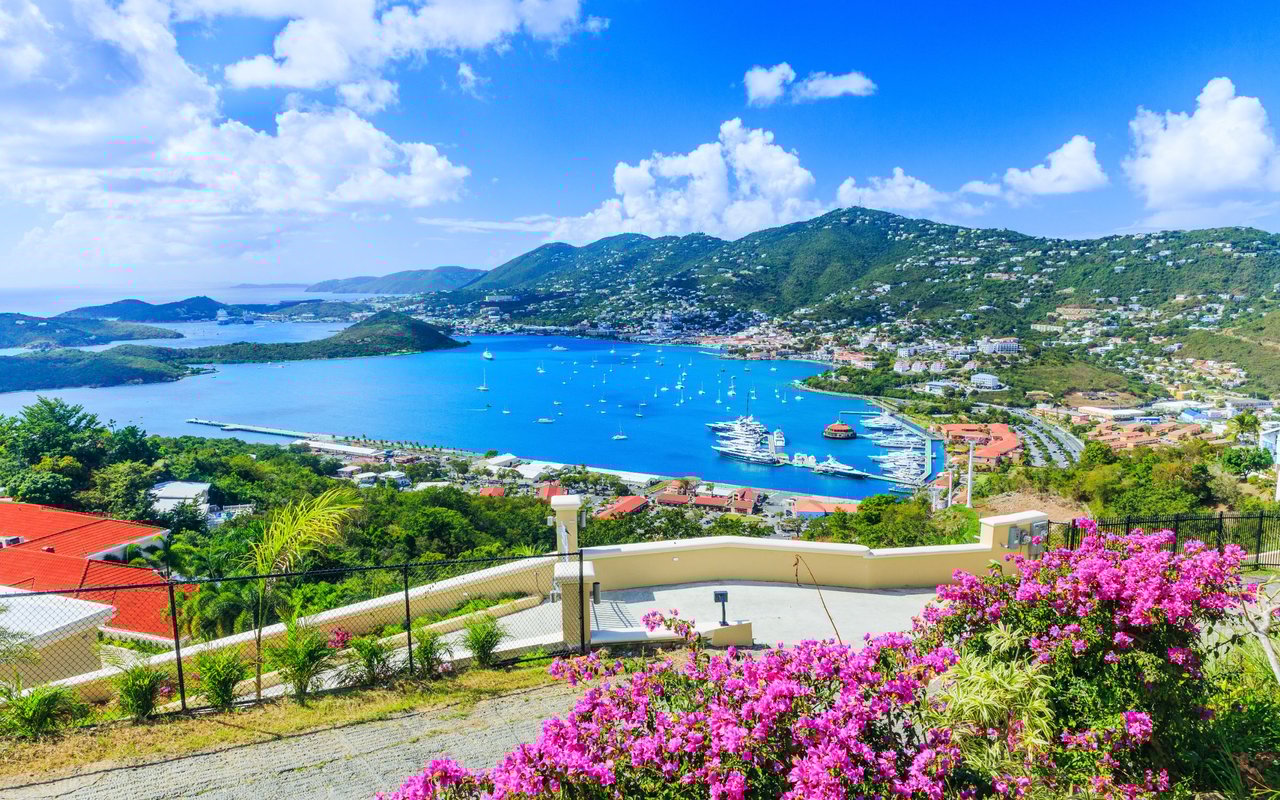
When you buy land on St. Croix, the parcel often drives the project more than the house plan. According to the USGS, St. Croix has varied geology, drainage patterns, and terrain, including coastal lowlands, hills, and different underlying landforms. That means two lots in the same general area can create very different building conditions.
Before you get attached to a design, look closely at the site itself. Slope, runoff, access, and the amount of cut-and-fill work needed can all affect how you build and what it may cost. A beautiful plan on paper may need major changes once it meets the realities of the land.
Topography and drainage are not small details. They can affect foundation design, site prep, erosion control, and how water moves across the property during heavy rain. On an island with varied terrain, these factors deserve attention from the beginning.
If a parcel looks steep, uneven, or difficult to access, build that into your decision-making early. The more site work a lot requires, the more important it is to understand the full scope before you close.
Flood risk should also be part of your first-round review. FEMA identifies its Flood Map Service Center as the official source for flood hazard maps, and DPNR provides guidance for looking up a parcel and understanding floodplain requirements. The local building code may require living areas to be elevated above flood level where applicable.
This is one of those issues that can affect both cost and design. If flood-related requirements apply, you will want to know that before you finalize your land purchase and construction plans.
If you are drawn to land near the shoreline, expect an additional layer of review. DPNR’s Coastal Zone Management program must assess proposed development in the first coastal tier of the Virgin Islands. Its role includes protecting coastal resources and preserving public access to the sea.
That does not mean coastal land cannot be developed. It does mean you should go in with clear expectations that coastal review may be part of your process.
Buying land is not just about location and views. You also need to confirm the legal side of the parcel early, especially if you plan to build soon after closing. In the Virgin Islands, the Recorder of Deeds in the Office of the Lieutenant Governor records deeds, mortgages, liens, and easements.
That matters because permit applications may require proof of legal interest in the property. Depending on the stage of your project, that may include a deed, lease, or purchase agreement.
It is important to verify what is actually recorded, rather than relying on assumptions about the parcel. Easements, liens, tax status, and recorded ownership can all affect your next steps. The Recorder of Deeds also notes that deed execution in the Virgin Islands requires two witnesses, and a notary cannot serve as both witness and notary on the same deed.
These details are a reminder that local practice matters. Using local licensed professionals for title, survey, and legal-interest questions can help you avoid delays later.
Property tax status should be part of your due diligence checklist as well. The Office of the Tax Collector issues property tax clearance letters and handles delinquent real property tax collection. DPNR permit forms may ask for a property tax bill or a tax clearance letter as part of the application package.
If you plan to build, this is worth checking before you assume your permit path will be simple. Clean paperwork can save time once you move into the planning phase.
Zoning is not something to guess based on the surrounding area. DPNR’s Comprehensive and Coastal Zone Planning division handles zoning map amendments, subdivision processes, and zoning and land-use technical assistance. That makes zoning verification a parcel-specific step.
In practical terms, you want to know what the parcel allows before you buy. That is especially important if you have a specific build type, future use, or site layout in mind.
One of the biggest misconceptions about buying land is assuming the purchase and the build are basically the same project. In reality, the land purchase is often just phase one. The permitting path can involve several separate reviews before construction begins.
DPNR’s Division of Permits reviews and issues building, plumbing, electrical, demolition, flood, mechanical, renewable-energy, and occupancy permits for residential and other structures. The division enforces local and national building codes used in the territory, including Title 29 of the Virgin Islands Code and several adopted model codes.
If your build requires clearing, grading, or drainage work, you may need an Earth Change permit. DPNR’s Earth Change Program is designed to control sediment, erosion, and protection of coastal and ground resources. For major earth-change applications, DPNR notes a 30-day review period.
This matters because many lots need some level of site prep before vertical construction can begin. On a sloped or raw parcel, land-disturbance approvals may be one of your first major steps.
If the parcel is within the first coastal tier, Coastal Zone Management review may also apply. DPNR states that complete major CZM applications have a 30-day agency review period, with a public hearing scheduled within 60 days of completeness.
Flood-hazard approvals may also be needed depending on the property. DPNR has a Flood Hazard Permit process and local floodplain guidance that can affect site planning and elevation decisions.
Even after approvals are in place, timing still matters. DPNR states that work must begin within 180 days after a building permit is issued. For new construction, new additions, and new habitable space, a Certificate of Completion and Occupancy is issued at the end of the process.
That is another reason land buyers should plan carefully. Permits are not open-ended, and each step needs to line up with the next.
When you are planning a build on St. Croix, utilities deserve their own budget category. WAPA is the territory’s electric and water utility and provides electricity and drinking water to residential and commercial customers in the U.S. Virgin Islands. But water planning on St. Croix often goes beyond a simple utility connection.
DPNR’s cistern guidance says rainwater harvesting is widely used in the USVI and estimates that about 90% of homes have active cisterns. Some households also use delivered water, and DPNR watershed materials note that residents may buy water from WAPA or a private hauler to fill cisterns during drought.
For many buyers, this is a major mindset shift. Water planning may include a cistern, catchment system, treatment, ongoing maintenance, and backup delivery planning. Even if utility service is available nearby, your property’s setup may still require more than you expected.
That is why water should be part of your early feasibility review, not a detail you sort out later. It can affect design, site layout, and operating costs.
Wastewater needs attention early as well. DPNR’s Water Pollution Control Program states that all discharges into waters of the Virgin Islands require a permit, and coastal-zone rules discuss septic systems and holding tanks as regulated disposal options.
For a buyer, the takeaway is simple. Ask how wastewater will be handled on the parcel and what approvals or design work may be needed.
Buying land and building usually takes longer than buying an existing home. You are not just securing a property. You are sequencing title verification, zoning review, possible coastal review, flood review, earth-change approvals, utility and water planning, construction financing, and final occupancy sign-off.
Construction financing can be different too. The Consumer Financial Protection Bureau says construction loans are typically short-term, usually have higher interest rates than longer-term mortgages, and may require reapplication if they do not automatically convert to a conventional mortgage.
For some buyers, that longer timeline is worth it because they want a custom home or future island retreat. For others, especially if immediate move-in is the priority, buying land may not be the best fit right now.
A successful land purchase on St. Croix usually depends on the right professionals being involved at the right time. The official forms and permit requirements show how often the process depends on recorded ownership, tax documentation, stamped site plans, and parcel-specific approvals.
That is why it helps to approach your purchase with a local, organized plan. If you are buying from off-island or juggling multiple moving parts, having guidance can make the process feel much more manageable.
Buying land in Christiansted or elsewhere on St. Croix can be an exciting path to creating something that truly fits your goals. The key is to start with the parcel, understand the approval process, and budget for the realities of site work, water, utilities, and timing. If you want a grounded, practical approach from a team that understands the St. Croix market, connect with Sterling Point Real Estate to schedule a consultation.
Stay up to date on the latest real estate trends.
Published

With strong market knowledge, strategic guidance, and attentive service, we walk beside you every step on your Real Estate journey. As a trusted Virgin Islands brokerage, we bring hands-on support, trusted advice, and a genuine love for island living, delivering an elevated experience built on professionalism, deep care, and lasting relationships.