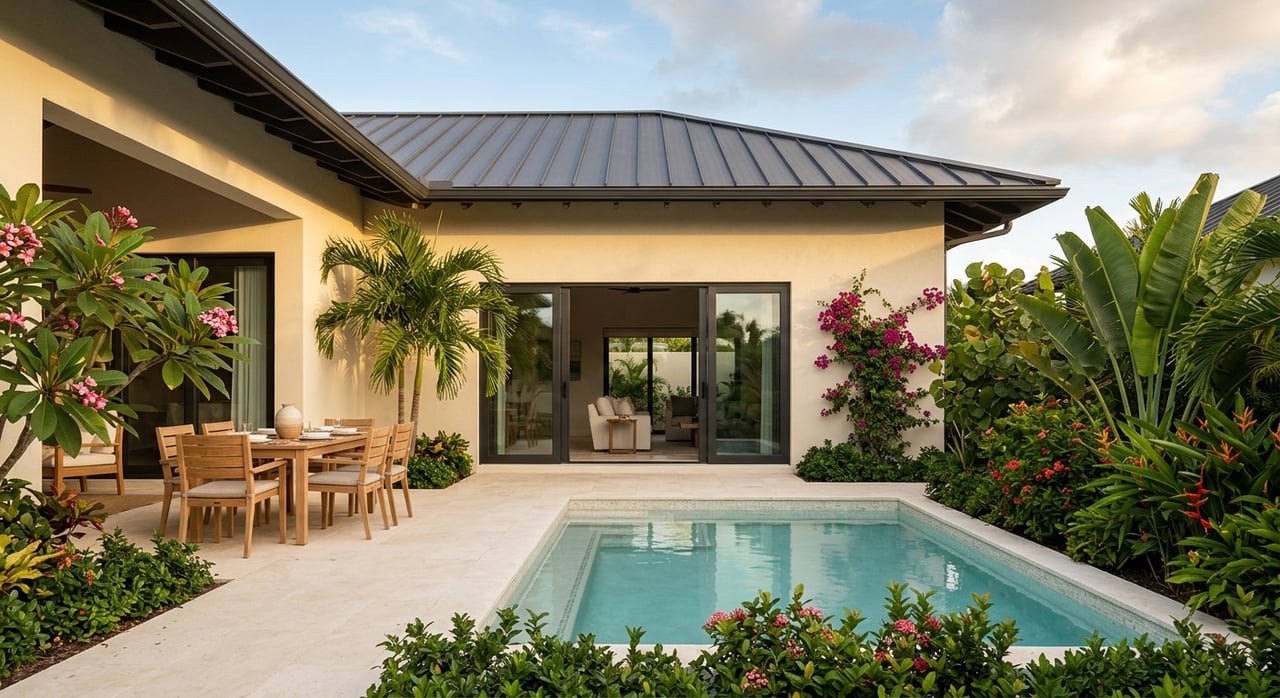
How to Sell a St. Croix Home Remotely From Off-Island
Published Nadja Boulger-Watrous June 25, 2026
Published Nadja Boulger-Watrous June 25, 2026
Selling a home from hundreds or thousands of miles away can feel overwhelming, especially when the property is in a market with its own rules and timelines. If you own a home in Christiansted and now live off-island, you may be wondering how to handle pricing, prep, showings, paperwork, and closing without being there in person. The good news is that you can sell successfully from afar with the right plan, strong local coordination, and careful document control. Let’s dive in.
Selling a St. Croix home remotely is often less about putting a property on the market and more about managing the moving parts well. In the U.S. Virgin Islands, original deeds and mortgages must be submitted for recording, and the sales valuation affidavit attached to a new deed must be original, signed, notarized, and witnessed by two people.
That means remote sales depend on more than good marketing. They also depend on organized timelines, local follow-through, and a clear plan for signatures, delivery, and final recording. If you wait until closing to sort those details out, delays can happen quickly.
Property tax status matters just as much. The Tax Collector issues tax clearance letters, and unpaid real property taxes can move into final collection activity, including publication, auction, and foreclosure. For an off-island seller, checking tax status early is one of the smartest ways to avoid last-minute problems.
One of the biggest mistakes off-island owners make is pricing based on memory, mainland comparisons, or an online estimate. A better approach is to price your home using local sales data, your property’s size and condition, its location, amenities, and current market conditions on St. Croix.
That kind of comparative market analysis is especially important in Christiansted, where buyer expectations, inventory, and island-specific costs can differ from mainland markets. If your goal is a faster sale, a more competitive price may make sense. If you have more time, you may choose a higher asking price, but the strongest offer is not always the highest number if timing and certainty matter to you.
Virgin Islands real estate transfers happen within a distinct tax and recording environment. The Virgin Islands tax structure includes real property taxes and stamp taxes, so it helps to talk about your likely net proceeds before you accept an offer, not after.
Stamp taxes are based on the sales price or tax assessed value of the property, whichever is greater:
That early conversation gives you a more realistic view of your next step. It can also help you decide whether to invest in repairs, adjust your asking price, or structure negotiations differently.
If you have not seen the home in a while, a pre-listing inspection can give you a clearer picture of its condition before buyers do. This can be especially helpful when you are off-island and cannot easily walk through the property yourself.
A pre-listing inspection can also help you prepare for repair requests. Instead of reacting to surprises during escrow, you can decide in advance what you want to fix, what you want to disclose, and what you prefer to leave as-is.
Even if you are selling remotely, presentation still shapes buyer interest. Basic staging steps like cleaning, decluttering, depersonalizing, and making simple repairs can help your home feel more inviting and easier to understand online and in person.
Before any work begins, it also helps to document the home’s condition with photos. That gives you a record of what was done and helps you track changes while vendors, cleaners, or inspectors are in and out of the property.
Preparing a home from off-island is mostly a logistics challenge. Someone local needs to be able to open the property, coordinate cleaners and handymen, meet inspectors, and keep the home ready for photography and showings.
A structured local plan helps you avoid delays caused by travel schedules or missed appointments. It also keeps momentum going once you decide to list, which is important when buyers are actively watching the market.
Many St. Croix buyers begin their search from somewhere else, so remote marketing matters even more here. Virtual tours, video walkthroughs, and live video showings can help your listing generate interest before a buyer books a trip to the island.
If physical staging is difficult to coordinate, virtual staging may also help buyers understand a room’s layout and use. The goal is simple: make it easy for serious buyers to engage with the property early, even if they are not on island yet.
If the home will sit vacant or lightly occupied while it is on the market, seasonal readiness should be part of your sale plan. In the Virgin Islands, hurricane preparation is not separate from property management. It is part of protecting your asset while you sell.
It is advised for property owners to review insurance annually, avoid being underinsured, and keep important documents such as deeds and powers of attorney in waterproof or fireproof storage. It also recommends practical property protection steps like installing shutters, trimming limbs, and removing debris.
For off-island sellers, these steps matter even more because you may not be able to respond quickly if a storm is approaching. A vacant property with weak preparation can create stress, added cost, and avoidable delays during your listing period.
When you are off-island, clear communication should be agreed on at the beginning, not improvised later. You should know how updates will be shared, how often you will hear from your brokerage team, and how signed offers will be presented for review.
Virgin Islands Real Estate Commission rules state that a broker or salesman shall promptly tender any signed offer to the seller, and if the seller accepts, copies must be promptly distributed. Those rules support what most remote sellers want anyway: timely updates, quick offer handling, and a clear paper trail.
Virtual showings are a natural fit for Christiansted homes marketed to off-island buyers. A buyer may first view the property through video, ask follow-up questions, and then decide whether an in-person visit makes sense.
That process can work well, but it also means buyers often want strong documentation. Good photos, clear property details, and transparent condition information can help remote interest turn into serious offers.
Even after a strong virtual showing, buyers may still ask questions once inspections begin. Some may request repairs, some may focus only on major issues, and some may decide to accept the property with fewer demands.
If you want fewer surprises, a pre-listing inspection can help. If you do not want to manage repairs from afar, an as-is sale may be worth discussing in plain terms, meaning you are not making repairs even if an inspection identifies issues.
The closing stage is where remote sellers feel local rules most clearly. In the Virgin Islands, original deeds and mortgages must be submitted for recording, while eRecording is limited to miscellaneous documents.
The sales valuation affidavit must also be original, signed, notarized, and executed in the presence of two witnesses. So while you may not need to be physically present for the sale, you do need a reliable signing and delivery plan well before closing day.
Virgin Islands conveyance law allows a deed to be signed by the owner or by a lawful agent or attorney. That means it is possible to sell without traveling to St. Croix, but the exact process still needs to fit local recording requirements.
Remote signing options exist for some steps, but because the Recorder still requires originals for deeds and mortgages, it is best to confirm the document path early with the closing attorney (or title company). That simple step can prevent rushed shipping, incomplete packets, or rejected documents.
A tax clearance letter is another critical piece of an off-island sale. Property owners can pay online and request a tax clearance certificate through the property tax portal once all due taxes are paid, but the key point is timing. Attorneys will take care of this for you in the closing process.
However, do not assume taxes are current just because the property has been quiet for a while. Verifying tax status before accepting an offer, and again before recording, can help protect your timeline and reduce the risk of a closing delay. You can check the status here: https://usvi.capturecama.com/CAMA/CAPortal/Custom/CZ_MainPage54.aspx
For many absentee owners, success comes down to having one coordinated plan instead of a patchwork approach. That usually means focusing on a few essentials:
When those pieces are in place, selling from off-island becomes much more manageable. You still need patience and organization, but you do not need to be physically present for every step.
If you are preparing to sell a St. Croix home from afar, having a local team that understands both the market and the logistics can make the process feel far less stressful. From pricing and property prep to vendor coordination and document follow-through, the goal is to keep your sale moving with clarity and confidence. When you are ready for a guided, remote-friendly approach, connect with Sterling Point Real Estate.
Stay up to date on the latest real estate trends.


With strong market knowledge, strategic guidance, and attentive service, we walk beside you every step on your Real Estate journey. As a trusted Virgin Islands brokerage, we bring hands-on support, trusted advice, and a genuine love for island living, delivering an elevated experience built on professionalism, deep care, and lasting relationships.