How To Buy A Home On St. Croix From Off-Island
April 16, 2026
April 16, 2026
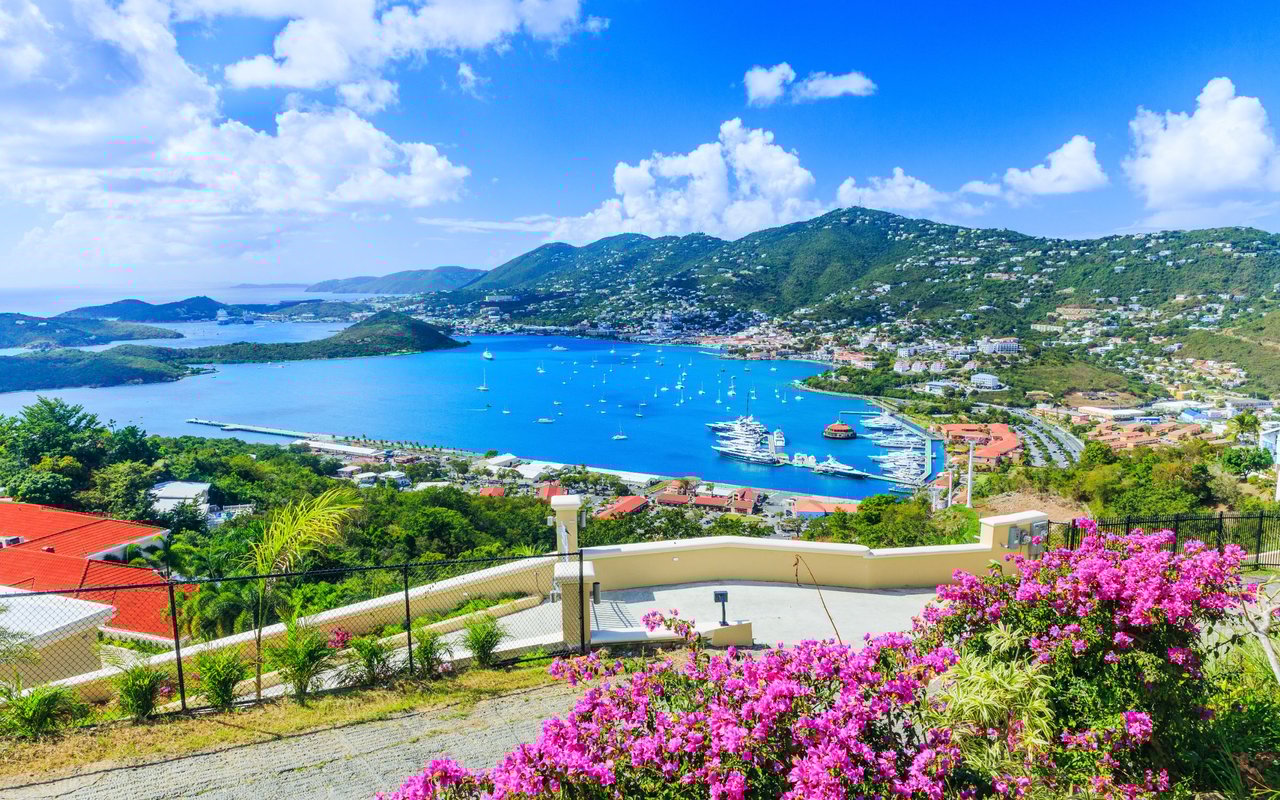
Buying a home on St. Croix while living elsewhere can feel like a big leap. You may be wondering how to evaluate properties, handle paperwork, and close with confidence when you are not on island. The good news is that an off-island purchase is very doable with the right local team and a clear process. Here is how to approach a remote home purchase in Christiansted and across St. Croix with fewer surprises and more peace of mind.
A remote purchase works here because key parts of the closing process can be handled without you being physically present. Virgin Islands law recognizes certain notarial acts performed outside the territory for use in the Virgin Islands, which helps when documents need to be signed from off-island. The Recorder of Deeds also offers eRecording support, which helps keep the process moving efficiently. You can review the legal basis in Virgin Islands Code Title 28, Chapter 5, Section 82.
Christiansted is also the practical hub for many closing-related tasks on St. Croix. The offices involved in recording, tax review, and parcel research are centered in the Christiansted area, which helps your local professionals coordinate the transaction. The Lieutenant Governor contact and department resources are a useful reference for those public offices.
Local St. Croix buying guidance also notes that buyers do not need to be physically present for closing. That practical reality matters if you are purchasing a second home, retirement property, or future investment from the mainland or another island. According to this St. Croix purchasing process guide, remote closing is a normal part of the local market.
When you are buying from off-island, your search needs to be more than a list of pretty photos. You want to narrow in on location, parcel details, tax status, and property type as early as possible. That helps you avoid spending time on homes that do not match your goals or timeline.
A smart first step is reviewing the official parcel and tax tools available through the Office of Tax Collection. This gives you a better sense of how a property is identified locally and whether there are tax items that need follow-up during due diligence.
From there, your agent can help you sort listings based on what matters most to you, such as condo versus single-family home, hillside versus waterfront setting, or full-time living versus part-time use. For off-island buyers, that local guidance is especially valuable because the right fit often depends on factors you cannot fully judge from a screen.
A successful remote purchase is usually a team effort. On St. Croix, that often includes your local real estate agent, a closing attorney or title and escrow provider, an inspector, a surveyor when needed, and an insurance professional. Because workflows can vary by transaction, it helps to have everyone aligned early.
This matters even more in Christiansted, where many of the public offices and closing resources are concentrated. Instead of trying to manage every moving part yourself from afar, you want a local process that keeps title, taxes, inspections, insurance, and signatures coordinated.
For many off-island buyers, this is where local expertise becomes more than a convenience. It becomes the difference between a smooth closing and a stressful one.
Once you find the right property, your offer should reflect both your interest and your need for protection. Local St. Croix guides commonly describe earnest money around 10% of the purchase price, but that is a market norm, not a legal requirement. The contract terms should fit the property, your financing plan, and the level of due diligence still to come.
The same St. Croix purchasing guide highlights the importance of using contingencies wisely. Inspection, financing, appraisal, survey, and title review can all play an important role depending on the property. If you are buying remotely, these contingencies are especially important because you are relying on structured verification rather than in-person familiarity.
This is one of the biggest differences between buying on St. Croix and buying in many mainland markets. Your inspection checklist should reflect how homes function on the island, not just generic house concerns.
According to U.S. Virgin Islands housing characteristics data, 70.1% of housing units on St. Croix report cistern, catchment, tank, or drum water sources, and 59.2% report septic tank or cesspool wastewater disposal. The island also has a meaningful share of homes built in the 1970s and 1980s. That means your inspection period should pay close attention to systems and conditions that matter locally.
For remote buyers, these details are not small. They shape ownership costs, comfort, and readiness for island weather.
Insurance should not be an afterthought. On St. Croix, windstorm coverage availability and cost can affect your budget and even your comfort level with a property. The Virgin Islands Division of Banking, Insurance and Financial Regulation has issued guidance warning consumers about windstorm coverage availability and underinsurance, which makes early review especially important. You can see that guidance in Bulletin No. 2023-02.
If you are considering a coastal property, flood-zone review should also happen before you are too far into the process. FEMA flood resources are the right place to verify flood exposure before making a final decision. For an off-island buyer, getting this information early helps you compare options more realistically.
One of the easiest mistakes in a remote purchase is assuming the timeline will feel just like a mainland transaction. On St. Croix, title work and tax verification can be especially important, particularly on older or long-held properties.
Local closing guidance notes that easements, waivers, and other title issues can take time to clear. That is why your settlement team should begin title review as early as possible. The local purchasing process overview makes clear that these issues are not unusual and should be expected as part of proper due diligence.
Taxes matter just as much. The Office of Tax Collection provides parcel and tax bill search tools, and property taxes must be paid before a deed can be recorded. If there is a delinquency or unresolved balance, it can affect your closing timeline.
Remote signing is possible, but it works best when documents are reviewed early and thoroughly. Because notarial acts performed outside the Virgin Islands may be recognized for use here, many buyers can complete signing without traveling back to St. Croix. The legal framework for that is outlined in Virgin Islands Code Section 82.
At the same time, the Recorder’s requirements still matter. Research notes indicate that original deeds and mortgages must be submitted directly, so your closing packet should be checked carefully before signatures are collected. Small errors can create avoidable delays, especially when shipping originals is part of the process.
Closing costs on St. Croix can differ from what you may be used to elsewhere, so it helps to budget with local context. One of the biggest costs in many transactions is the USVI stamp tax. Under current law, the rate is 2% up to $350,000, 2.5% from $350,001 to $1,000,000, 3% from $1,000,001 to $5,000,000, and 3.5% above $5,000,001. The law also states that a property cannot be valued below the Tax Assessor's assessed value for this purpose. You can review that in Virgin Islands Code Title 33, Section 121.
Recording fees are separate, and other transaction costs may include title-related charges, inspection fees, attorney or settlement fees, insurance costs, and possibly survey or appraisal fees. Local guides suggest these figures can vary, so it is best to treat them as estimates rather than fixed rules. One local cost overview is available from The Fedeles Team closing cost guide.
Stamp-tax allocation should also be treated as negotiable. In some deals, parties split it, while in others the seller pays more of that cost. The contract controls, and local custom can vary by property and negotiation.
The most successful off-island buyers approach the process with a blend of excitement and patience. St. Croix offers real opportunity, but the path to closing works best when you give title review, inspections, tax confirmation, insurance research, and signing logistics the time they need.
That does not mean the process has to feel overwhelming. It means your purchase should be handled as a coordinated local process, not a rushed long-distance transaction.
If you are planning to buy on St. Croix from off-island, working with a team that understands both the island market and remote-client logistics can make the experience much smoother. When you are ready for clear guidance from search to closing and beyond, connect with Sterling Point Real Estate to schedule a consultation.
Stay up to date on the latest real estate trends.


With strong market knowledge, strategic guidance, and attentive service, we walk beside you every step on your Real Estate journey. As a trusted Virgin Islands brokerage, we bring hands-on support, trusted advice, and a genuine love for island living, delivering an elevated experience built on professionalism, deep care, and lasting relationships.